
CROW DETERRENT
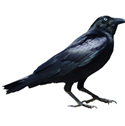
Crows are known to interact with humans and animals and may display territorial behavior toward larger birds, including hawks, herons, and owls.
Deterring Crows can be difficult for these reasons; however, crows are opportunistic birds and may seek alternate areas if an environment becomes less suitable.
1. Block access to the area with crow deterrents. Bird Netting is a physical bird exclusion solution, especially for small backyard crops, because it produces a barrier that crows and other birds cannot pass through when properly installed. However, this option may not be feasible for very large crops. If you only have crows to manage, you can choose appropriately sized netting because crows are larger bird species.
2. Create an unfavorable environment with ultrasonic crow deterrents. The Version 2 BirdXPeller PRO (1 unit covers up to 1 acre) and Super BirdXPeller PRO (1 unit covers up to 4 acres) are designed to help deter crows, as well as blackbirds and grackles. Naturally recorded bird distress calls and predator cries are designed to discourage birds from frequenting treated areas. Be certain to follow all directions and keep the device settings on random intervals to help maintain varied sound patterns during operation.
3. Use crow repellents to help protect crops and food sources. Taste aversions such as Bird Stop are commonly used options for berry, fruit, and corn crops. By creating an unpleasant taste experience, these products are designed to help discourage crows from feeding on treated areas.
4. Use a multisensory approach for crow deterrence. Adding bird scaring devices to an area treated with electronic repellents and bird repellent gels can provide an additional layer of bird control when combined with other deterrent methods. A visual crow deterrent (such as a scarecrow) can be used alongside other bird control strategies — our Irri-Tape and Terror Eyes are designed to help discourage crow activity.
As with all bird control methods, be certain to clean the area thoroughly of bird mess, if possible, to remove territorial markings and optimize bird control results.
The hunting of crows in the United States is regulated under federal and state wildlife laws, but non-lethal bird control and deterrent methods are allowed. Crows are considered native U.S. species and have special protections afforded by the federal government.
Non-lethal crow control products are designed to help deter different types of crows.